

At a glance
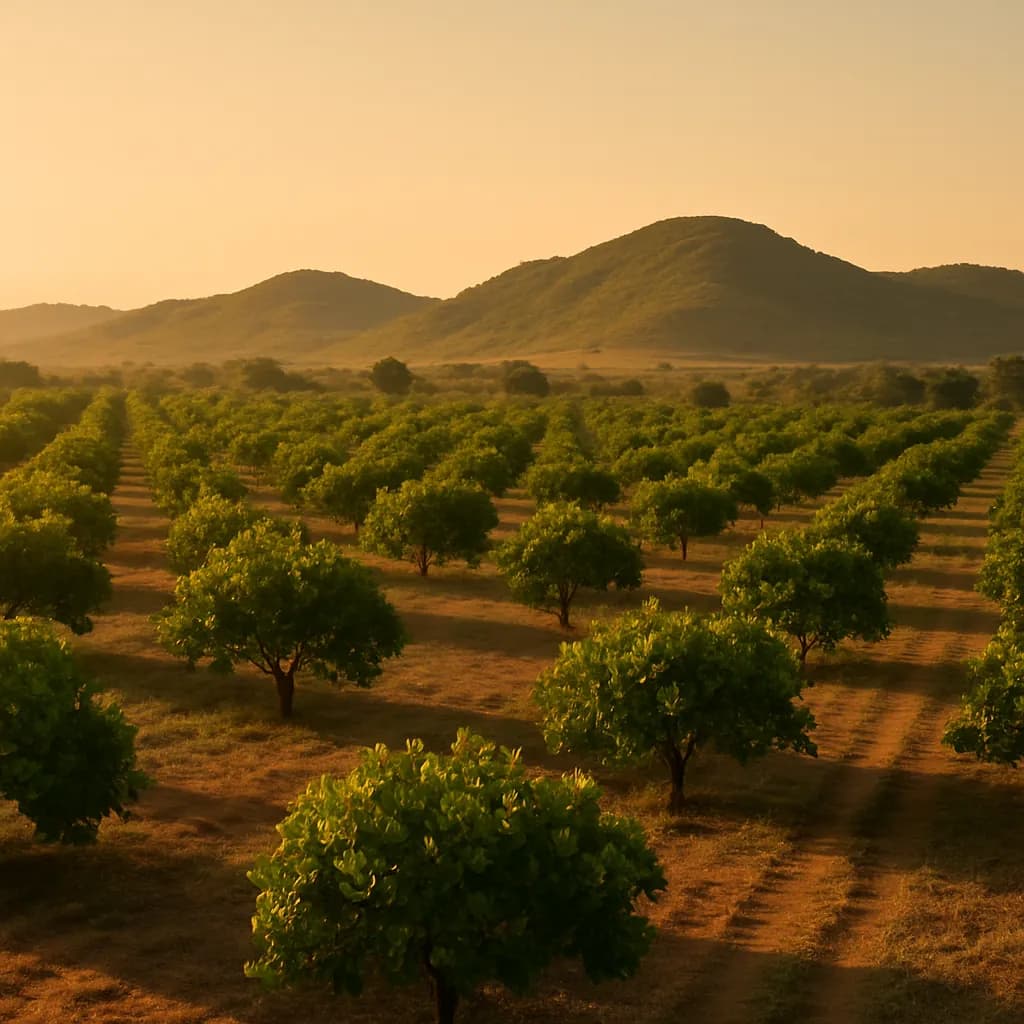
- Tanzania is consistently among the world's largest exporters of raw cashew nuts, with harvests above 300,000 tonnes of RCN in strong seasons, per Cashewnut Board of Tanzania figures reported in the trade press.
- Around 80 per cent of the cashew crop — as commonly cited — comes from the southern belt of Mtwara, Lindi and Ruvuma, within trucking distance of Mtwara port.
- Tanzania regularly ranks among Africa's top five sesame producers, per FAO production data, in the company of Sudan, Nigeria and Ethiopia.
- Dar es Salaam handles the large majority of the country's seaborne trade; Mtwara takes over for southern cashew during the export season.
- India and Vietnam absorb most of the world's raw cashew trade, Tanzania's included; China and Middle Eastern tahini markets dominate sesame buying.
- The two harvest windows barely overlap: cashew runs October–January, sesame May–August.
Buyers ask us the same background questions in almost every first call: how big is the crop, who else is buying, which port will the container leave from. This post compiles the answers in one place. One honest note before the numbers: crop statistics in this trade are assembled from auction records, customs data and FAO or ITC datasets that rarely agree to the tonne, so every figure below is an industry-reported approximation — a planning range, not an audit.
How much cashew does Tanzania export?
In a strong season Tanzania harvests over 300,000 tonnes of raw cashew nuts, and weaker seasons have landed nearer 200,000 — figures that trace back to the Cashewnut Board of Tanzania's auction records. That places the country consistently among the world's top exporters of RCN, alongside African peers like Côte d'Ivoire and Guinea-Bissau. Most of the crop is sold through the regulated warehouse-receipt auction system and exported raw, with a smaller — and growing — share processed into kernels in-country.
Geography concentrates the trade. The southern belt — Mtwara, Lindi and Ruvuma regions — is commonly credited with around 80 per cent of national production, which is why the season's logistics revolve around Mtwara port and the 550-kilometre road north to Dar es Salaam.
Where does Tanzanian sesame rank in Africa?
Tanzania sits among Africa's top five sesame producers in most seasons, per FAO production data — the continent's leaders typically being Sudan, Nigeria, Tanzania, Ethiopia and Burkina Faso in shifting order, with output swinging hard on rainfall. For buyers the more useful fact is qualitative: Tanzanian natural white sesame is a recognised origin for tahini and bakery demand, and the crop reaches the market in the third quarter, counter-cyclical to the cashew season.
Which ports move Tanzania's agri exports?
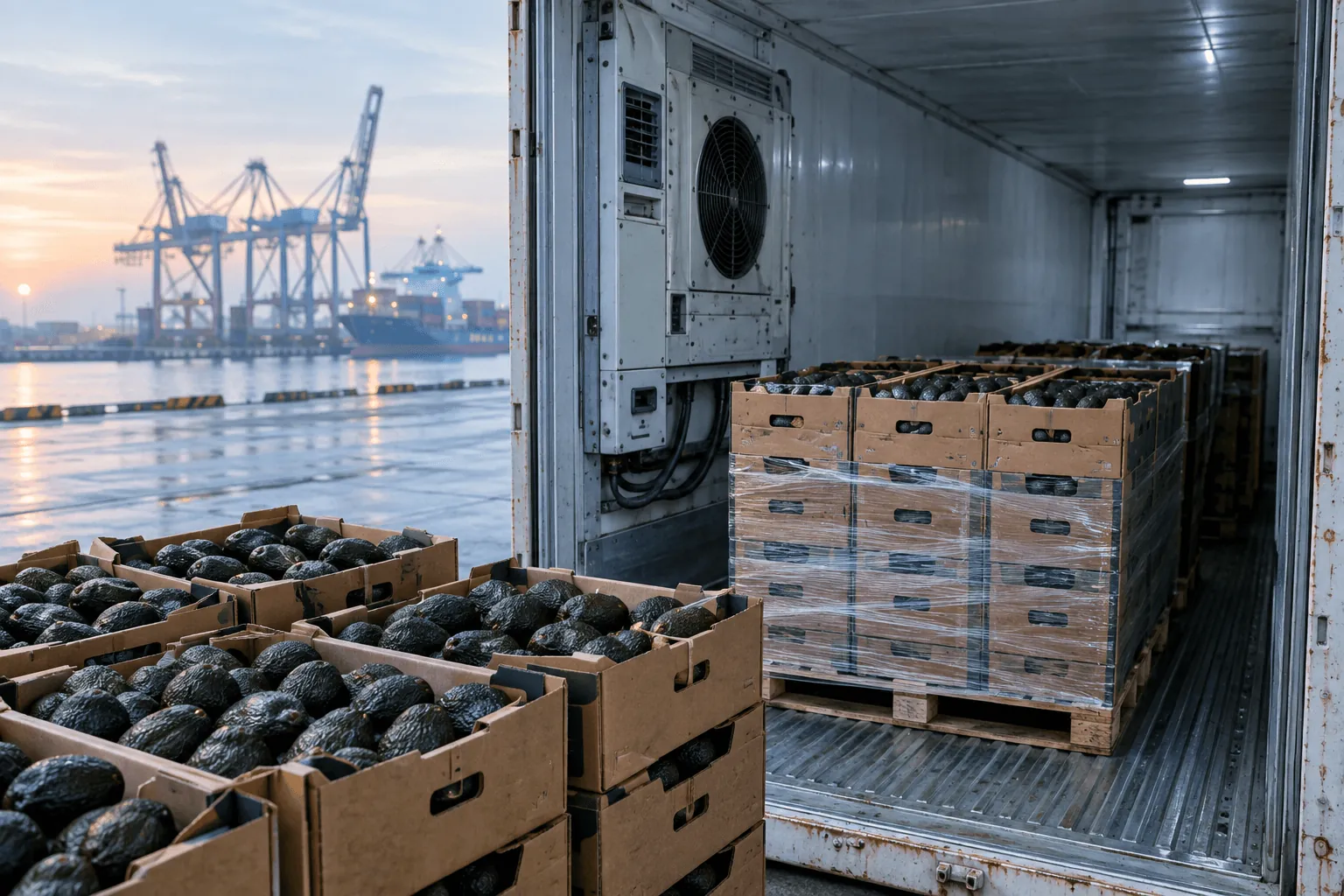
- Dar es Salaam — the default gate, commonly cited as handling around nine-tenths of Tanzania's seaborne trade, with mainline and feeder connections via Salalah, Jebel Ali and Colombo.
- Mtwara — the seasonal cashew specialist: loading in the south saves the road leg to Dar es Salaam for southern-belt cargo, at the price of thinner sailings.
- Tanga — a smaller northern option that rarely features for cashew or sesame at commercial volume.
The port statistic worth internalising is the split of roles rather than any percentage: Dar es Salaam offers frequency and connections, Mtwara offers proximity to the crop for a few months a year. Which gate a supplier quotes from changes the inland cost, the sailing schedule and the realistic transit time — which is why our quotes always name the load port.
Who buys Tanzanian cashew and sesame?
- Raw cashew nuts: India and Vietnam take the overwhelming majority — a structural feature of the global cashew trade, per ITC trade data, since those two countries host most of the world's shelling capacity.
- Cashew kernels: origin-processed kernels move to the Middle East, Europe and North America, where buyers pay for traceable single-origin supply.
- Sesame seeds: China is the world's largest sesame importer and a dominant buyer of East African seed; Middle Eastern tahini producers, Turkey and Japan account for much of the rest.
When are the harvest and shipping windows?
Cashew comes off the trees from October to January and ships at full pace through the first quarter; sesame is harvested from May into August and ships at peak from July to October; the miombo honey flow runs May to August with a darker crop behind it late in the year. The result is an origin with something in season almost every month. The full month-by-month picture is in our harvest calendar, linked below.
How reliable are these numbers?
Treat every figure here as a defensible approximation, not a precision instrument. Official crop estimates, FAO and ITC datasets and trade-press reports are compiled differently and revised often, and a drought or a strong flowering can move a national total by a third. What we can state precisely is our own data: lot-level weights, moisture readings and laboratory results for every container we ship — and we would rather hand a buyer one verified lot record than ten impressive national statistics.
“The statistics are not trivia — they are the context every quote sits inside. A buyer who knows the size and shape of the origin reads prices, and delays, completely differently.”
- Joachim Mbwana, Sourcing Lead
Put the numbers to work
- The East Africa Harvest Calendar- the month-by-month version of these seasons
- East Africa's Agri-Export Corridors- the ports behind the port statistics
- Our commodities- the cashew, sesame, cardamom and honey we actually ship
- Buyer FAQ- sourcing and documentation questions answered
- Ask about current availability- live lot data beats national statistics
Related reading
Leave a Comment
Your email address will not be published.