

At a glance
- Tanzanian cashew is harvested October–January and ships at full pace January–March.
- Tanzanian sesame comes off the fields May–August, with the shipping peak running July–October.
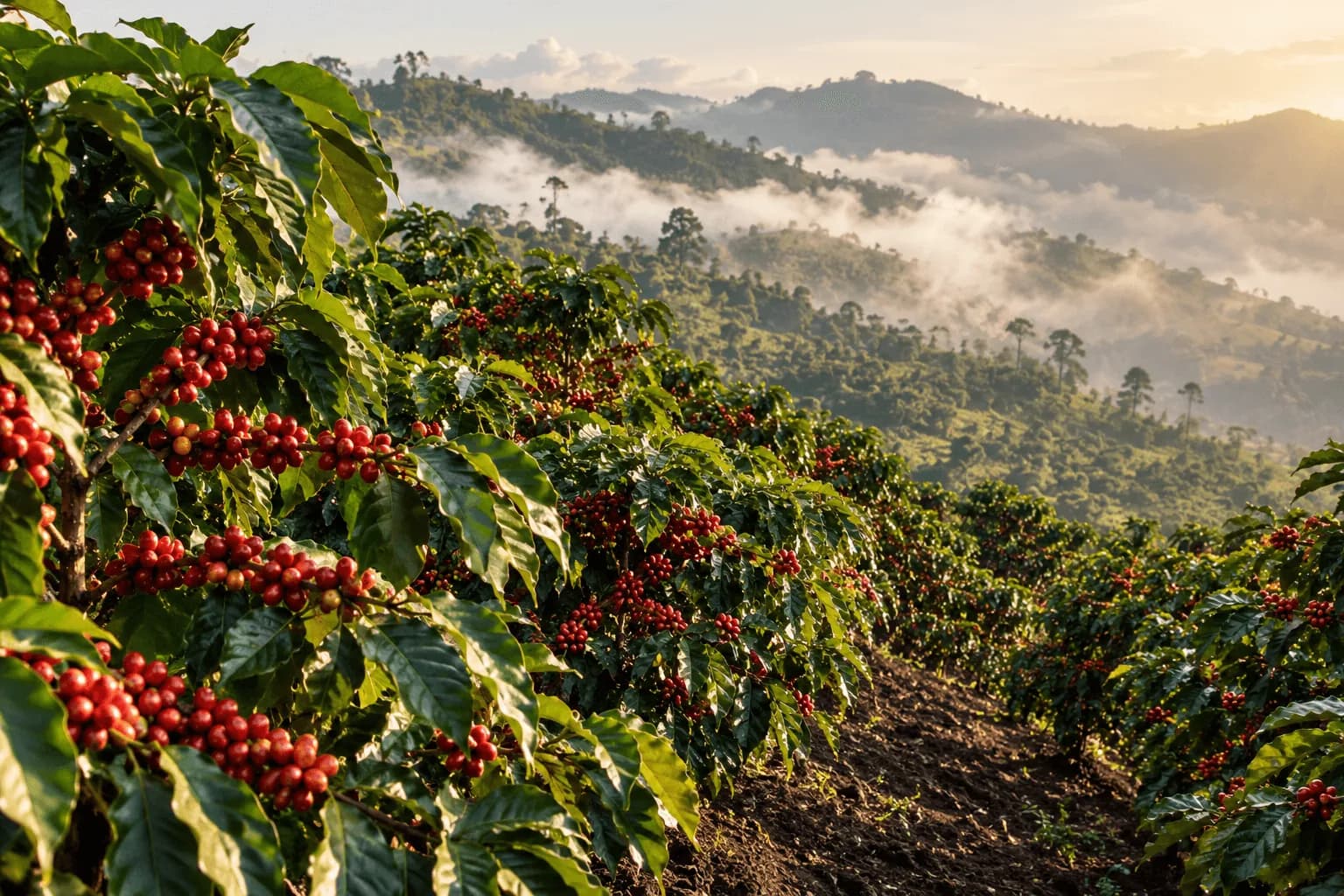
- Arabica coffee is picked roughly June–October and Kagera robusta roughly May–August; new-crop lots trade through the July–June marketing year.
- Hass avocados export roughly February to mid-September, which is the counter-season slot buyers plan around.
- The main miombo honey flow runs May–August and yields the light golden crop; a darker, stronger harvest follows around October–December.
- Green cardamom is picked through the second half of the year in the Eastern Arc highlands and dried before grading.
- The commercial calendar runs ahead of the harvest: cashew volume is discussed from August–September, sesame firms up in April–May.
- Seasons drift — the quarters hold in a normal year, and an early warning from origin is worth more than any calendar.
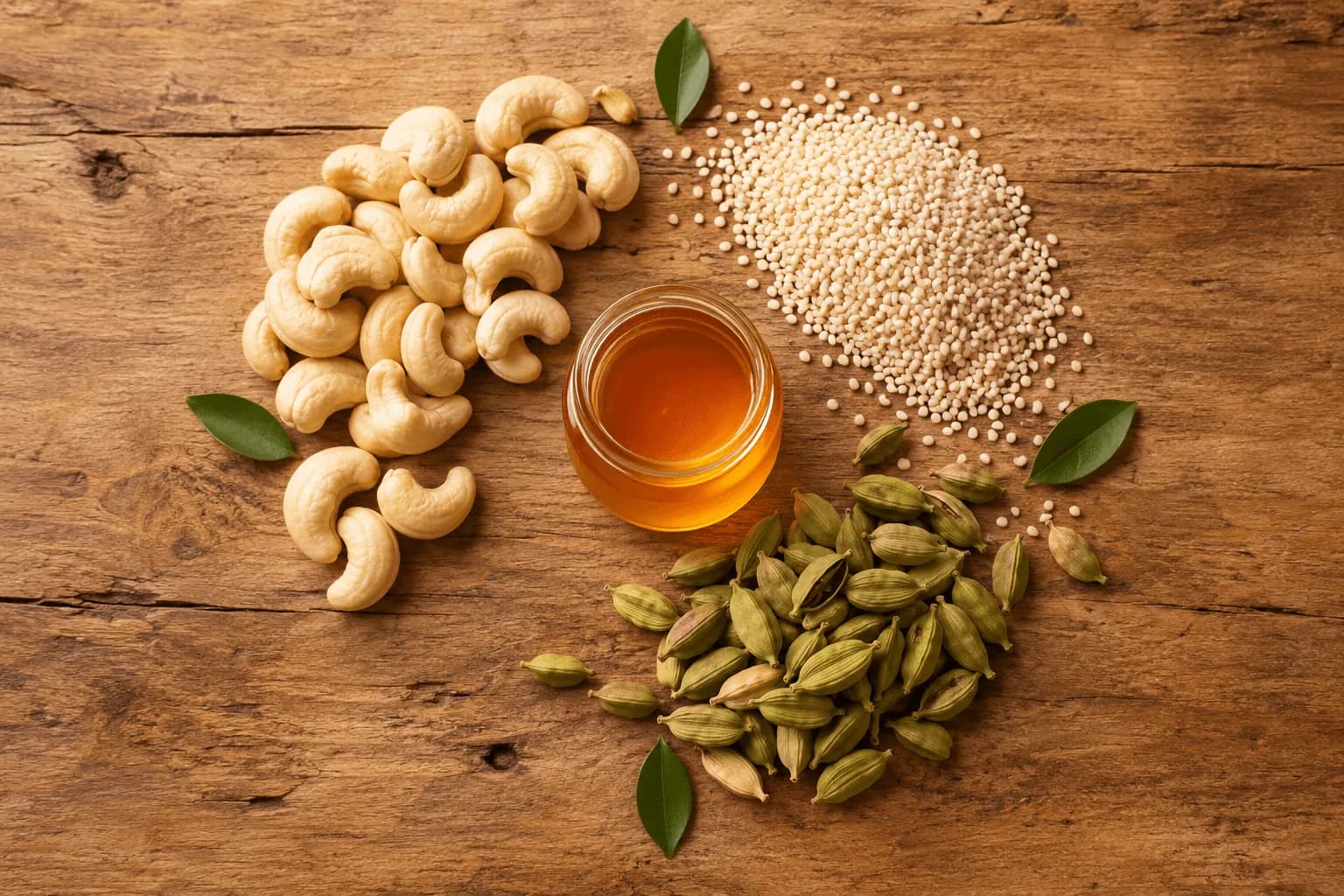
Somewhere across our sourcing map a harvest is always underway. Cashew comes off the trees in the south from October to January; sesame off the central and southern plains from around May into August; arabica coffee is picked from around June to October and robusta from May to August; avocados run February to mid-September in the Southern Highlands; cardamom is picked in the Eastern Arc through the second half of the year; and out west the miombo honey flow runs May to August with a darker crop in the last quarter. Lay all six on one calendar and a pattern appears that single-product buyers never see — and that pattern is a purchasing plan.
The year, quarter by quarter
- January–March: Tanzanian cashew shipments at full pace from the October–January harvest; the coffee auctions still trading the season's arabica; the avocado season opens in the Southern Highlands; the previous year's dark honey crop drumming and moving. The busiest booking window of our year.
- April–June: cashew moves to kernel shipments from stored crop; avocado volume builds through the quarter; the miombo honey flow opens from May; sesame harvest begins in May; Kagera robusta picking starts.
- July–September: sesame buying and shipment at peak; avocados run to the mid-September close; arabica picking at its height in both coffee zones; the light honey crop finishes in August; cardamom picking starts in the highlands. Quiet months for cashew — the gap smart buyers plan around.
- October–December: new-crop cashew harvest opens in the south and early raw-nut shipments begin; the last arabica pickings finish and the coffee auctions are in full swing; the dark honey harvest comes off the woodland; cardamom drying and grading finish; sesame shipments wind down.
Booked is not the same as harvested
The dates above are harvest dates; the commercial calendar runs earlier. Serious cashew volume is discussed from August and September, before a nut has dropped. Sesame programmes firm up in April and May as the size of the crop becomes readable. Honey is the sharpest example of the gap: the light crop is spoken for within weeks of the flow starting, so a buyer who calls in July is buying what is left rather than what they wanted — March and April is when that conversation should happen.
“Every commodity has a moment when quality is at its best and sellers are at their most negotiable — and it is never the same month. Buyers who work the calendar get both.”
- Asha Ngonyani, Quality Manager
How experienced buyers sequence the year
- Book cashew in the pre-harvest window (August–September) for first-quarter shipment, when allocation is decided.
- Fix sesame volumes as the harvest opens in May, ahead of the July–October shipping peak.
- Place light-crop honey requirements in March or April, before the May flow starts and the good lots are committed.
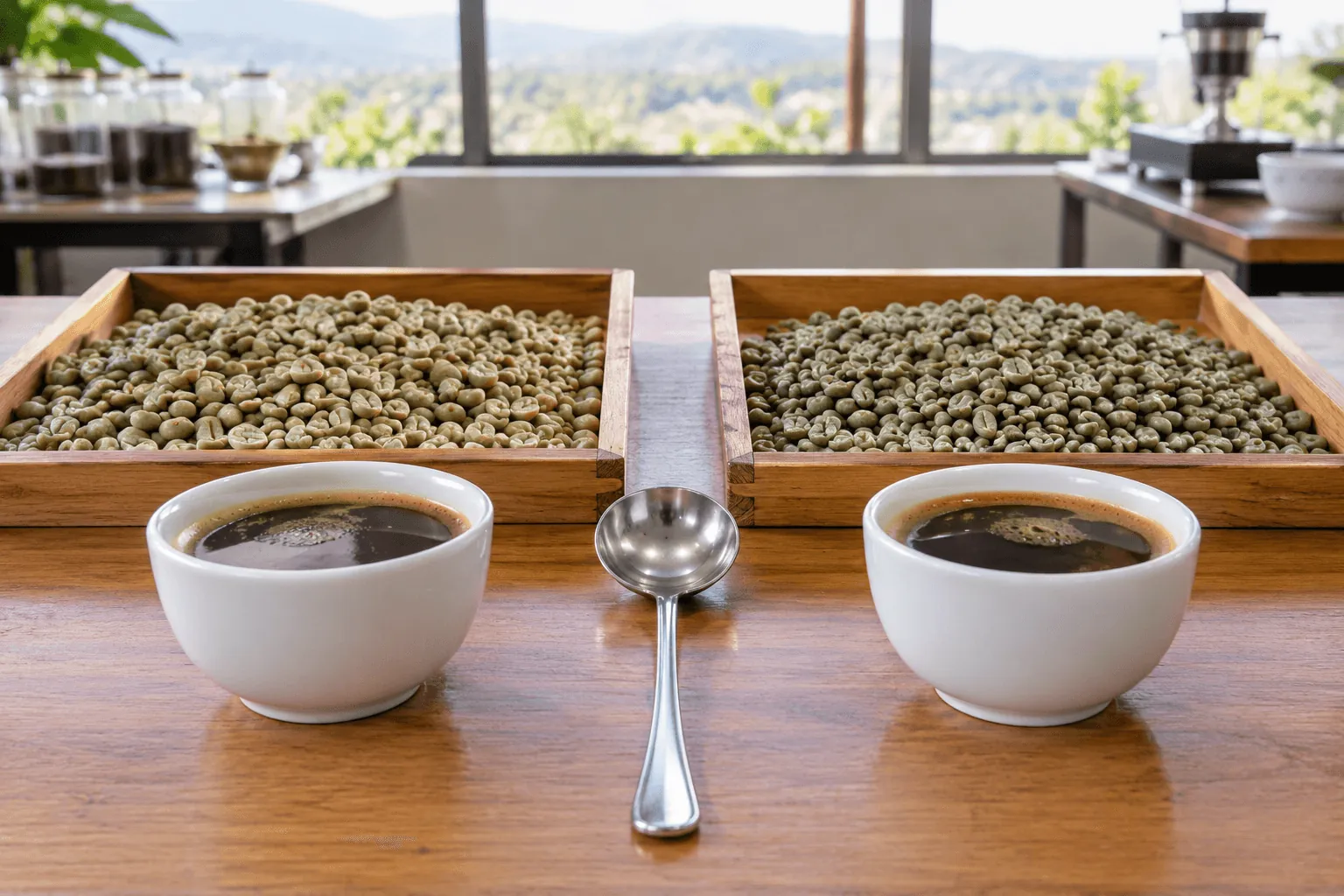
- Open the coffee conversation while the cherries are still on the trees — by February the first containers are already committed.
- Fix avocado counts and weeks before the February opening; fresh produce cannot be bought on short notice.
- Use the third-quarter cashew gap to review the season's QC record and negotiate the next annual round.
- Spread arrivals deliberately: a calendar-aware programme lands product roughly quarterly instead of tying working capital up in one giant seasonal position.
One caution against over-reading any calendar, including ours: seasons drift. Rains arrive late, flowering disappoints, a strong crop ships early. The quarters above hold in a normal year, and we tell buyers as early as we can when the year decides not to be normal — that early warning is worth more than the calendar itself.
Turn the calendar into a plan
- Building a Multi-Commodity Sourcing Programme- phase orders across the seasons deliberately
- Our commodities- what we ship from each origin
- Raw Honey from Tanzania: A Bulk Buyer's Guide- the two honey crops and when each is placed
- Ask what is in season now- current availability across all six product families
Related reading
Leave a Comment
Your email address will not be published.