


The strongest argument for consolidating East African sourcing with one supplier is arithmetic: every additional supplier is another audit, another document pipeline, another payment counterparty and another QC standard to police. A buyer taking cashew, sesame and honey from three separate exporters carries three times the vetting overhead for the same tonnage. But consolidation only pays if the supplier genuinely performs across all three — so the way in matters as much as the destination. Here is the phased path we recommend, because it is the one our own best relationships followed.
Step 1 — Trial one commodity, not three
Start with the commodity where your specification is sharpest, and run a single trial order: one container, or an LCL pallet of honey drums. The trial is not really about the goods — samples already told you the goods are fine. It is about performance: documents on time, communication when something wobbles, delivered grade matching contracted grade.
Step 2 — Add the second commodity in its own season
If the trial performs, add a second commodity when its harvest calendar comes around rather than forcing it into the same month. Buying each product in its natural season means you see the supplier at their best, and it spreads your learning curve across the year instead of stacking three unfamiliar cargoes into one quarter.
Step 3 — Move to a seasonal contract
Once two or three shipments have landed clean, replace order-by-order buying with a seasonal contract: a volume band for the season, an agreed specification, a pricing mechanism and a shipment rhythm. The volume band matters more than a fixed number — East African harvests move with the weather, and a contract with honest flexibility built in outlives one that pretends otherwise.
Step 4 — Graduate to an annual programme
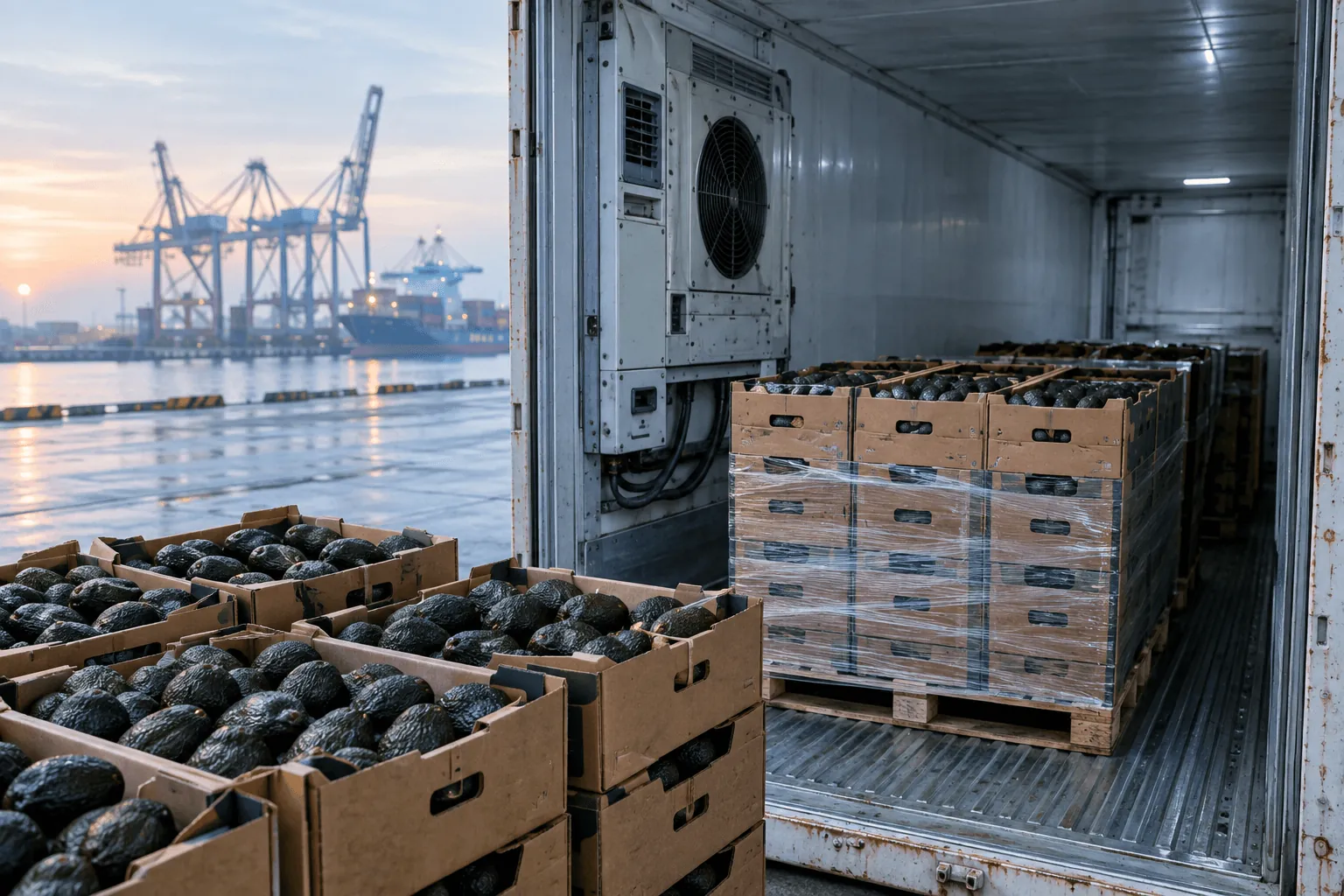
The mature form is an annual programme spanning the commodities: cashew shipments through the first quarter, avocados from February, new-crop coffee from the second half of the year, honey from the winter flow, sesame from late in the third quarter and cardamom behind it — reviewed once a year in a single commercial conversation. One audit, one document pipeline, one relationship carrying six products: this is where the consolidation dividend is actually paid.
Step 5 — Use consolidation where it physically works
- Cashew kernels and sesame can share a container as compatible dry goods when part-lot volumes suit it — one bill of lading, one arrival, two products.
- Honey drums are the useful make-weight: dense, floor-stacked and sealed, they take up the payload that bagged goods leave unused in a box that would otherwise cube out.
- Mixed containers need clean per-lot paperwork — separate lot numbers, per-product certificates, a packing list that lets customs see each product distinctly.
“A programme is a promise made in both directions. The buyer commits to volume across the year; we commit our best lots to them before the open market sees those lots at all.”
- Daniel Mahenge, Logistics Coordinator
The honest caveat: do not consolidate with any supplier — including us — faster than their performance record justifies. The phases exist because each one is a test the previous one earned. Run them in order and by the time you sign an annual programme, it is a formality confirming what the shipments already proved.
Related reading

Leave a Comment
Your email address will not be published.