

How do you import raw honey from Tanzania? Start by naming the importing country. The paperwork that clears a drum in one market may not clear it in another, and a general answer that silently assumes Canada, the EU or the United States can send a buyer down the wrong route. Decide where the honey is going, then check that destination's current food-import rules with its authority and your broker before contracting a lot.
Step 1: Define the destination and end use
Tell the broker whether the honey will go to a manufacturer for blending or into consumer packs. Ask the importing authority which entry process, establishment or importer registration, health documents, residue tests and label information apply to that specific route. Do not treat a seller's claim that a country can export honey as approval for a particular consignment or facility. Rules can change, and the importing side must verify them against official guidance before loading.
Step 2: Match a real lot to the buyer's specification
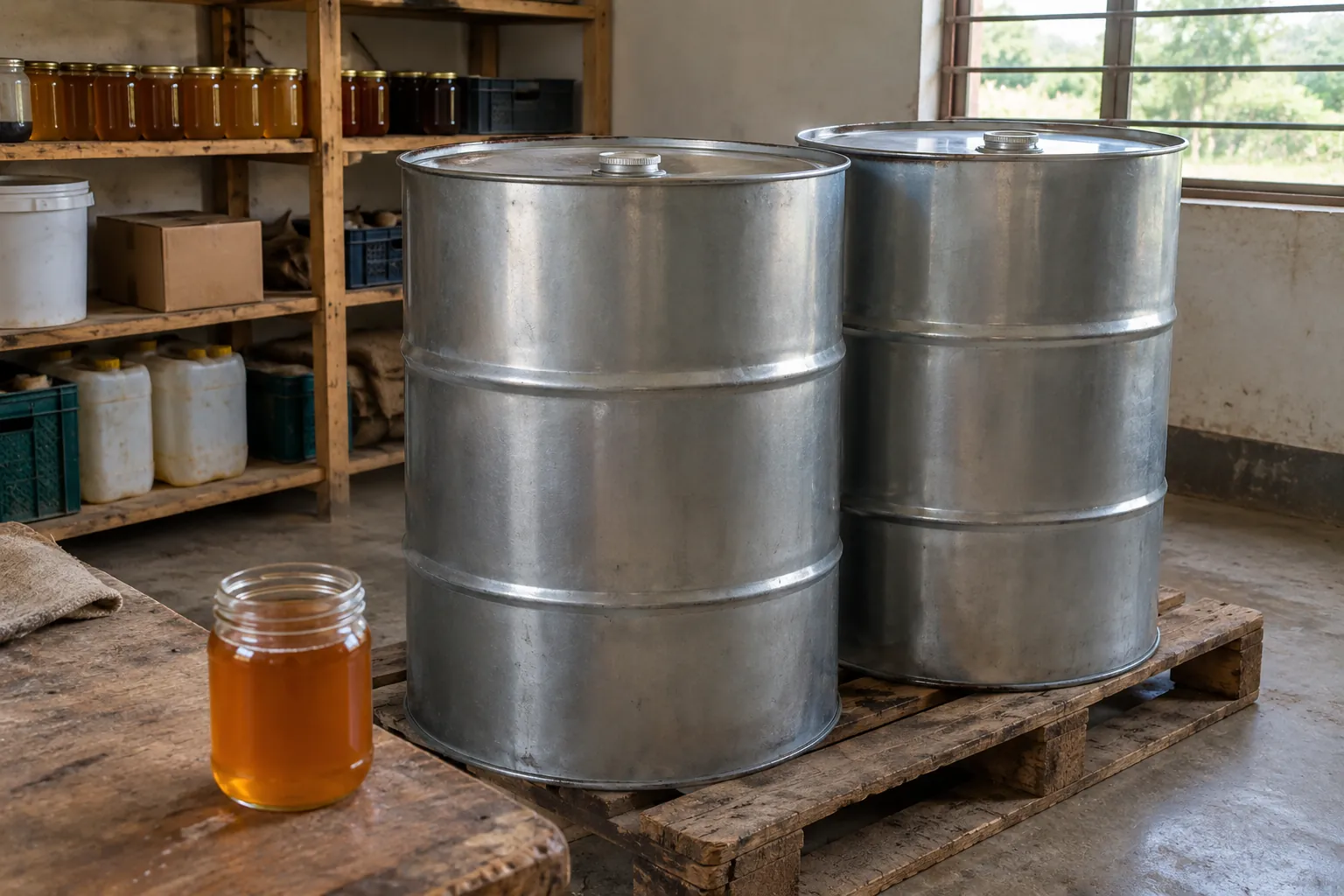
Define the physical product before asking for a quote: quantity, colour and intended use, moisture ceiling, the assays the destination needs and packing. Our raw-honey programme can start with one pallet of 300 kg food-grade drums, with 25 kg pails as another packing format. That is a commercial starting point, not a statement of today's stock. Ask for a representative lot sample and a test report identified by the same lot number that will appear on the drums.
Step 3: Check the documents before freight is booked
A typical export file includes a commercial invoice, packing list, certificate of origin, certificate of analysis and transport document; destination-specific health or other certificates must be established with the broker and authority. Ask for drafts early enough to correct names, dates and lot numbers. Confirm the named Incoterm and loading point in the contract, and distinguish cargo readiness from sailing or transit time. Nothing in this checklist guarantees border admission.
Step 4: Compare the arrived drums with the agreed lot
Keep part of the approved sample sealed. On arrival, record drum condition and lot marks before opening, then check the delivered honey against the agreed laboratory and sensory specification. If the lot or documents do not match, raise the difference while the consignment is still traceable. A destination-specific checklist is useful only if it stays attached to a specific shipment.
Check the destination's official guidance, then specify the lot
- Canadian Food Inspection Agency: importing honey- Canada's honey-specific import guidance
- US Food and Drug Administration: food imports- Start here for United States entry questions
- European Commission: animal-origin food entry- EU import framework; confirm the honey-specific route with your broker
- Our raw honey buyer's guide- Product and quality background, not destination-specific legal advice
- Raw miombo honey- Programme specification
- Send a lot enquiry- Name your destination and use
Related reading
Leave a Comment
Your email address will not be published.