

At a glance
- India is the second-largest market for Tanzanian avocados after Europe, at roughly 30 per cent of exports.
- Tanzanian avocados enter India duty-free under India's preference for least-developed countries; Kenyan fruit does not qualify.
- The duty-free rate is only granted against a valid preferential certificate of origin — the single most important document on the file.
- The export season runs from around February to mid-September.
- Sea freight takes around 12 days in a refrigerated container; air takes hours.
- Dry matter at picking decides whether fruit ripens properly after the voyage. Specify it.
A few years ago an Indian importer looking for avocados looked to Kenya, or further. Today Tanzania is one of the most competitive options on the table, and India has become its second-largest avocado market after Europe. Part of that is the fruit — Southern Highlands Hass grown at altitude — and a large part is tariff arithmetic. This guide covers what an Indian buyer needs to get right to turn that advantage into fruit that arrives ready to ripen.
Why is Tanzanian fruit cheaper to land in India?
Because of the duty. India grants duty-free access on a wide range of goods to least-developed countries, Tanzania is one, and avocados are covered. Kenya, the obvious competing origin, is not a least-developed country and pays the standard rate. Trade reports put the resulting landed-cost advantage for Tanzanian fruit at roughly 30 per cent. That is before any difference in the price of the fruit itself.
The catch is paperwork, and it is not a small catch. The preference is not automatic — it is claimed against a valid preferential certificate of origin that matches the consignment. A shipment that arrives without one, or with one that does not match the invoice and packing list, pays the standard duty, and the advantage is gone. Agree before the first shipment who prepares the certificate and when it reaches your clearing agent.
“The duty-free rate is the whole business case for a lot of Indian buyers, and it lives on one piece of paper. That document gets checked before anything else in the file.”
- Daniel Mahenge, Logistics Coordinator
When is the fruit available?
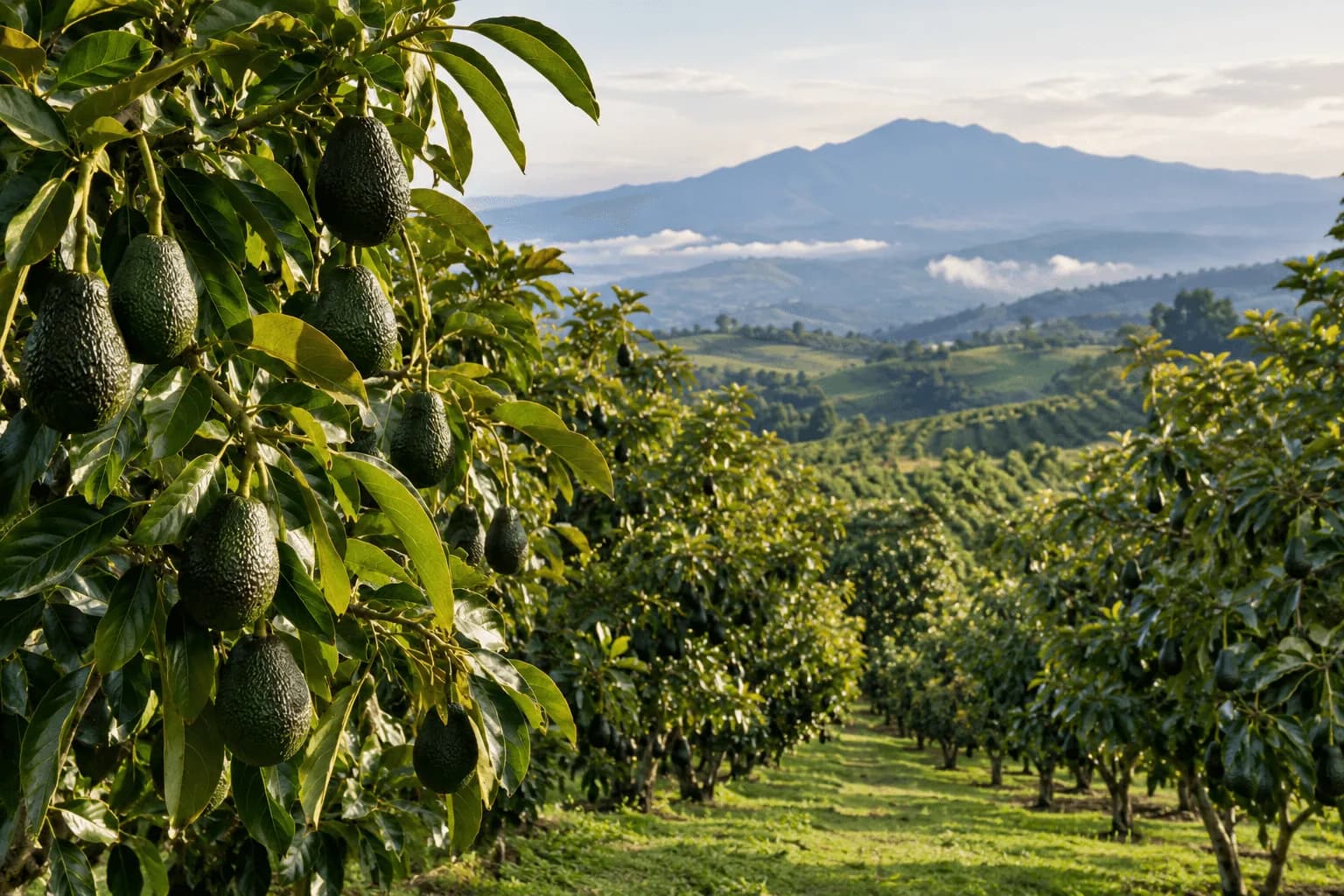
Tanzania's export window runs from around February to mid-September, peaking in the middle of that stretch. The fruit comes almost entirely from the Southern Highlands — Njombe, Mbeya, Iringa and Songwe — where altitude gives Hass time to build oil before it is picked. Buyers who fix their counts and weeks before February are the ones who get allocation from the better orchards; buyers who start looking in May are buying what is left.
How does the fruit get to India?
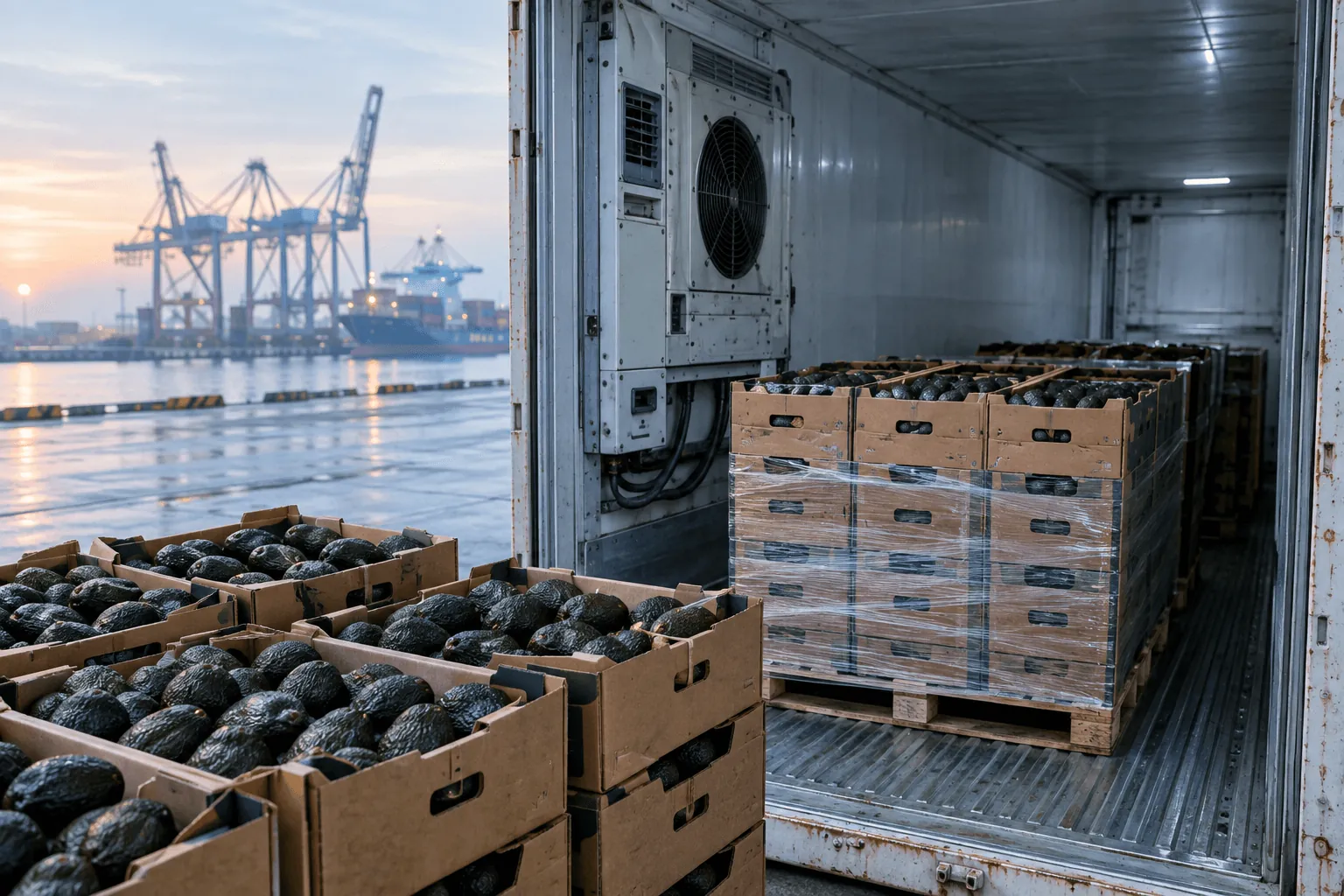
By refrigerated container, usually loaded at Mombasa, where East African reefer capacity and sailings are concentrated, and landed at Indian west-coast ports such as Nhava Sheva. The voyage is around 12 days, which is comfortably inside the fruit's life when it is picked correctly and held at a pulp temperature of 5 to 6 degrees. Air freight takes hours instead of days and makes sense for premium parcels or a trial, at a very different cost per kilogram.
Twelve days at sea is forgiving, but it does not rescue immature fruit. Avocados only ripen after picking, and only if they had built enough oil on the tree, so the number that matters is dry matter at harvest. Ask for 23 per cent and for the block-level result that authorised the pick. Fruit picked at the legal floor of 21 per cent arrives in India looking perfect and ripens badly in the ripening room, which is exactly where an Indian importer's margin is made or lost.
What should the contract say?
- Count per 4 kg carton, and quality class — Class I is the working default.
- Minimum dry matter at picking, with the block-level test result supplied.
- Pulp temperature at loading and the carrying temperature for the voyage.
- Who prepares the preferential certificate of origin, and when it reaches your clearing agent.
- The phytosanitary certificate and any import-permit requirements your authorities apply to fresh fruit.
- That the reefer's temperature trace travels with the documents.
Indian wholesale buyers often prefer larger fruit than European retail does — lower counts per carton — so say what you want rather than accepting a spread. And start with a part-load or a single reefer before committing to a programme. Fresh produce shows up an exporter's weaknesses faster than any dry commodity, and the first shipment is the cheapest place to find them.
Next steps
Related reading

Leave a Comment
Your email address will not be published.